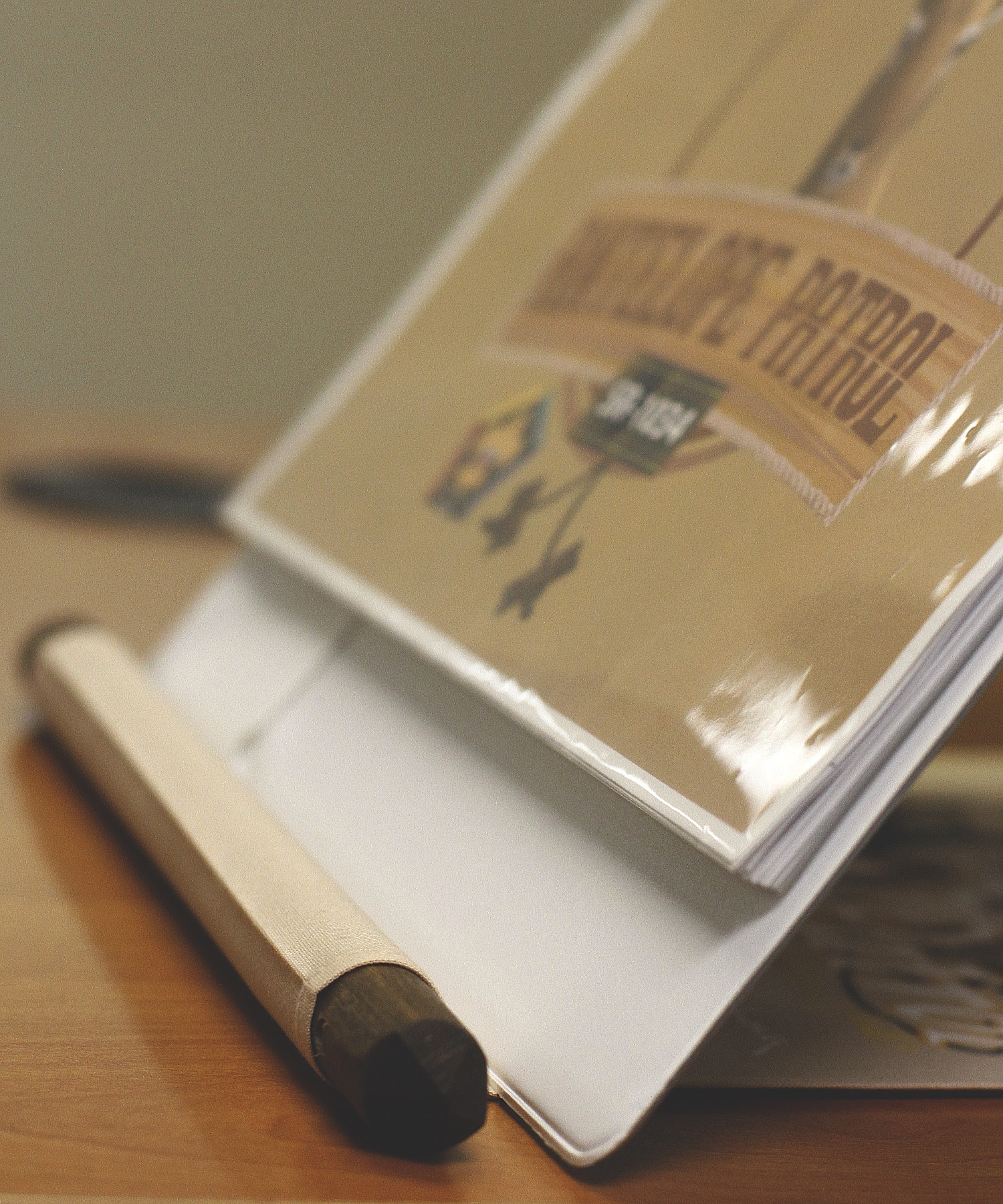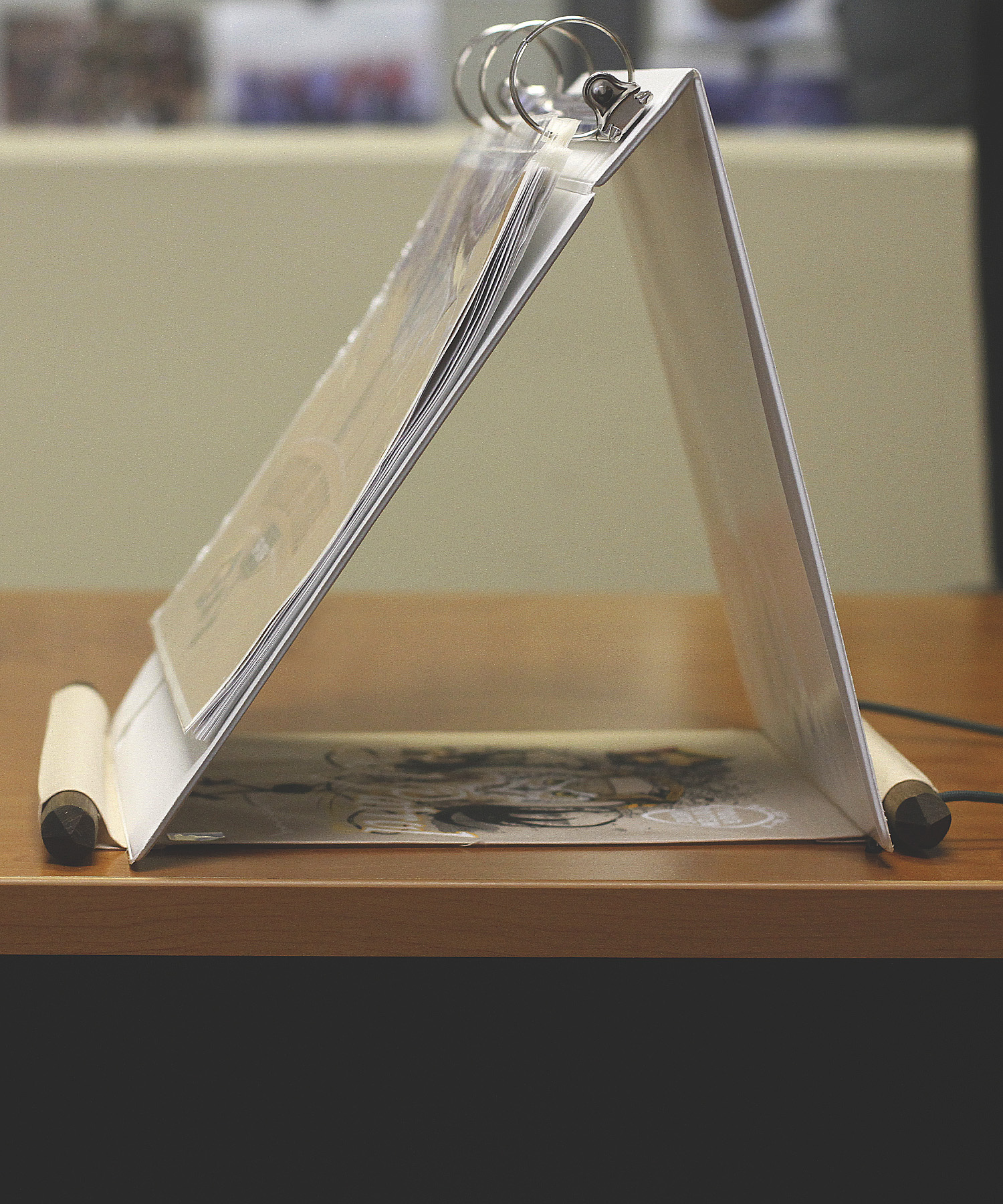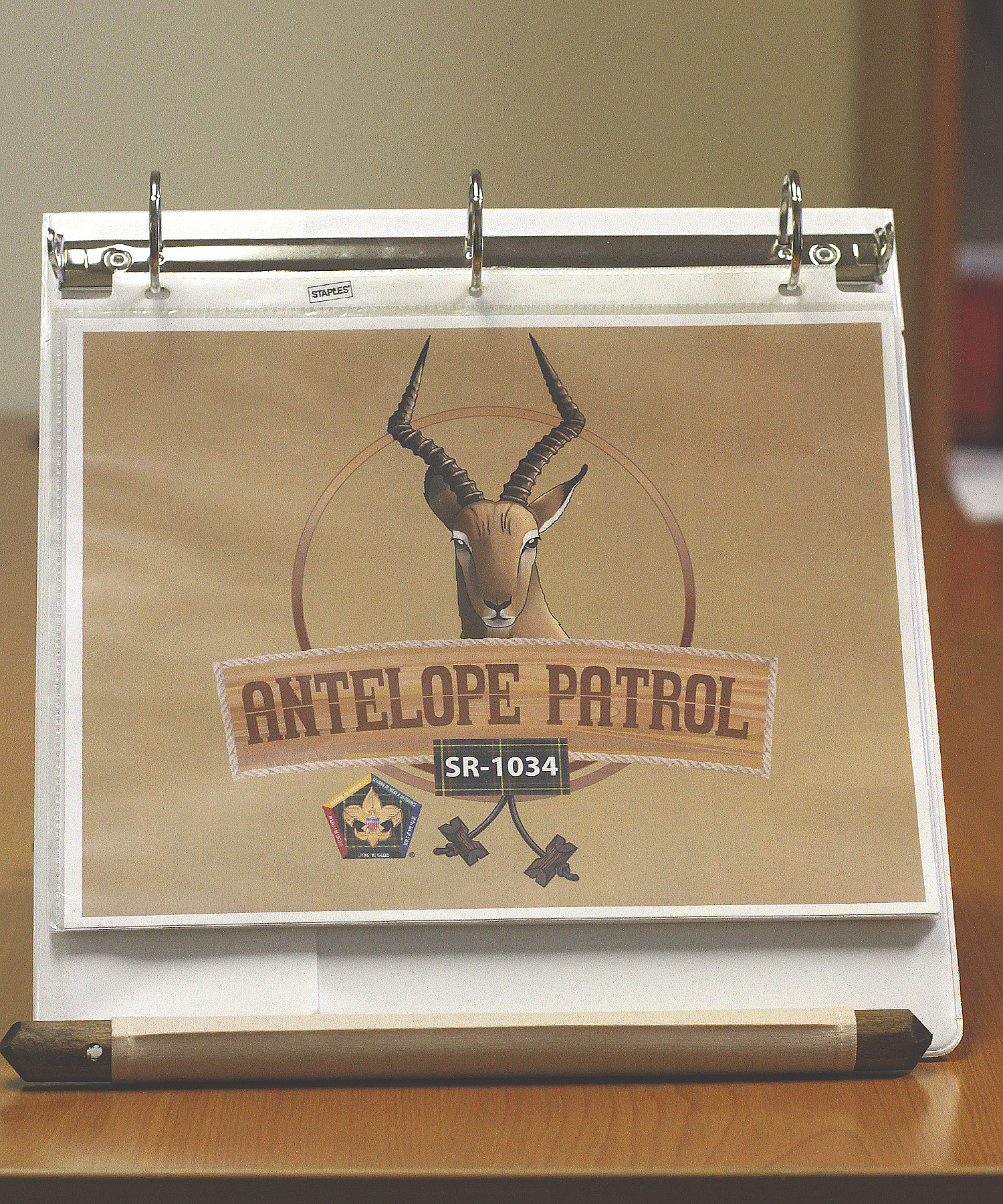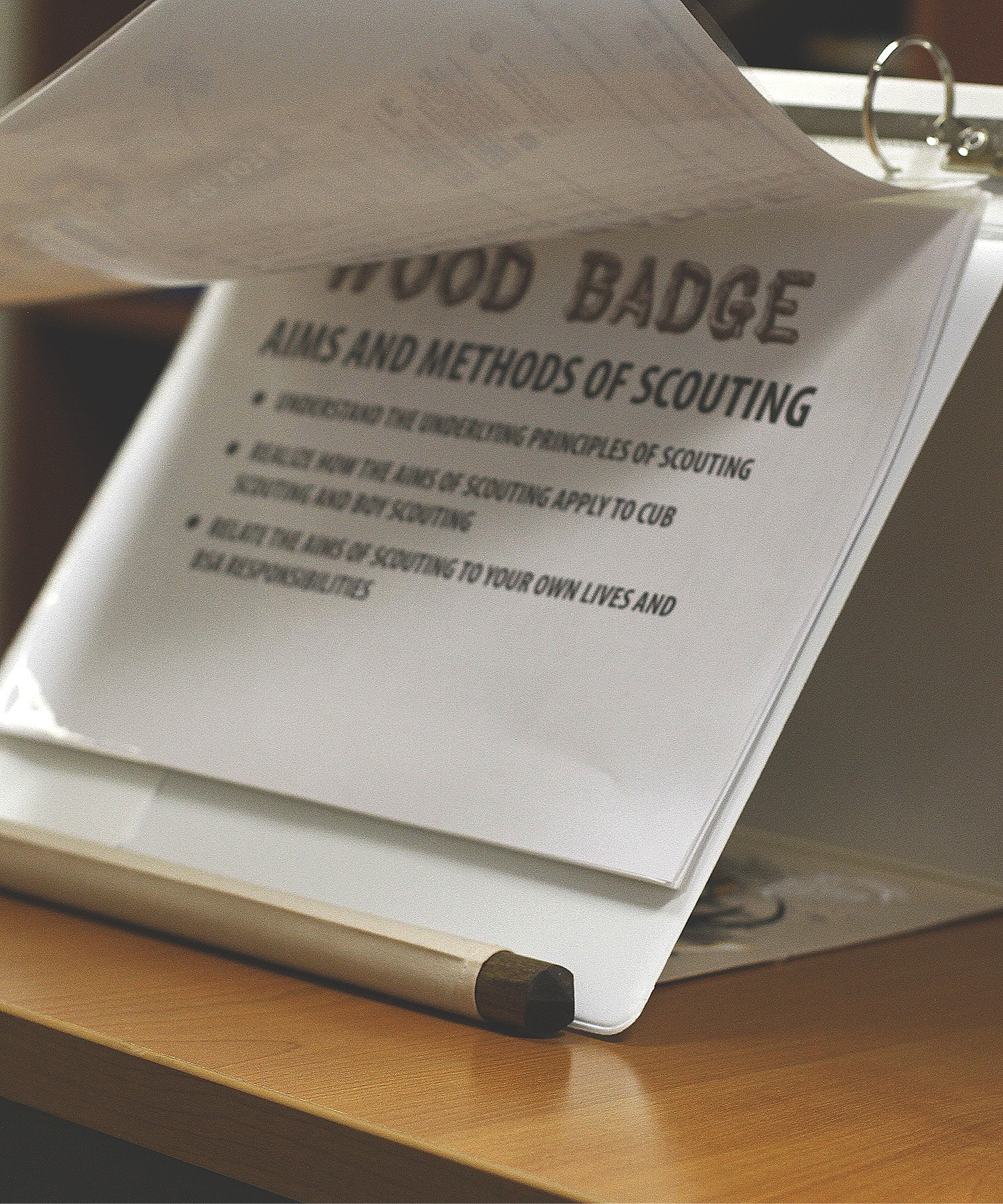
This article explains how the Mini Wood Badge Patrol Flag can be used as an aid in Wood Badge presentations!

“The picture is of some of the Senior Webelos of St Olaf Pack 4030 in Bountiful, Utah. We are standing in front of the lake at Camp Tracy, the scout camp in Millcreek Canyon, Utah. We were just beginning our two-day adventure that would include hiking, archery, nature studies, boating and more. With all this outdoor activity, your t-shirts made a huge impact! The boys were very comfortable and cool, accomplishing all the activities with ease. We received numerous favorable comments on how neat the shirts looked and how easily identifiable the boys were. Thanks for a great product!”


Want to see YOUR group here? If you have pictures in your custom t-shirts, please send them to your ClassB customer rep! We would be proud to feature them on our next Customer Photo blog!
All photos shown are the property of the photographer and are reposted with permission.


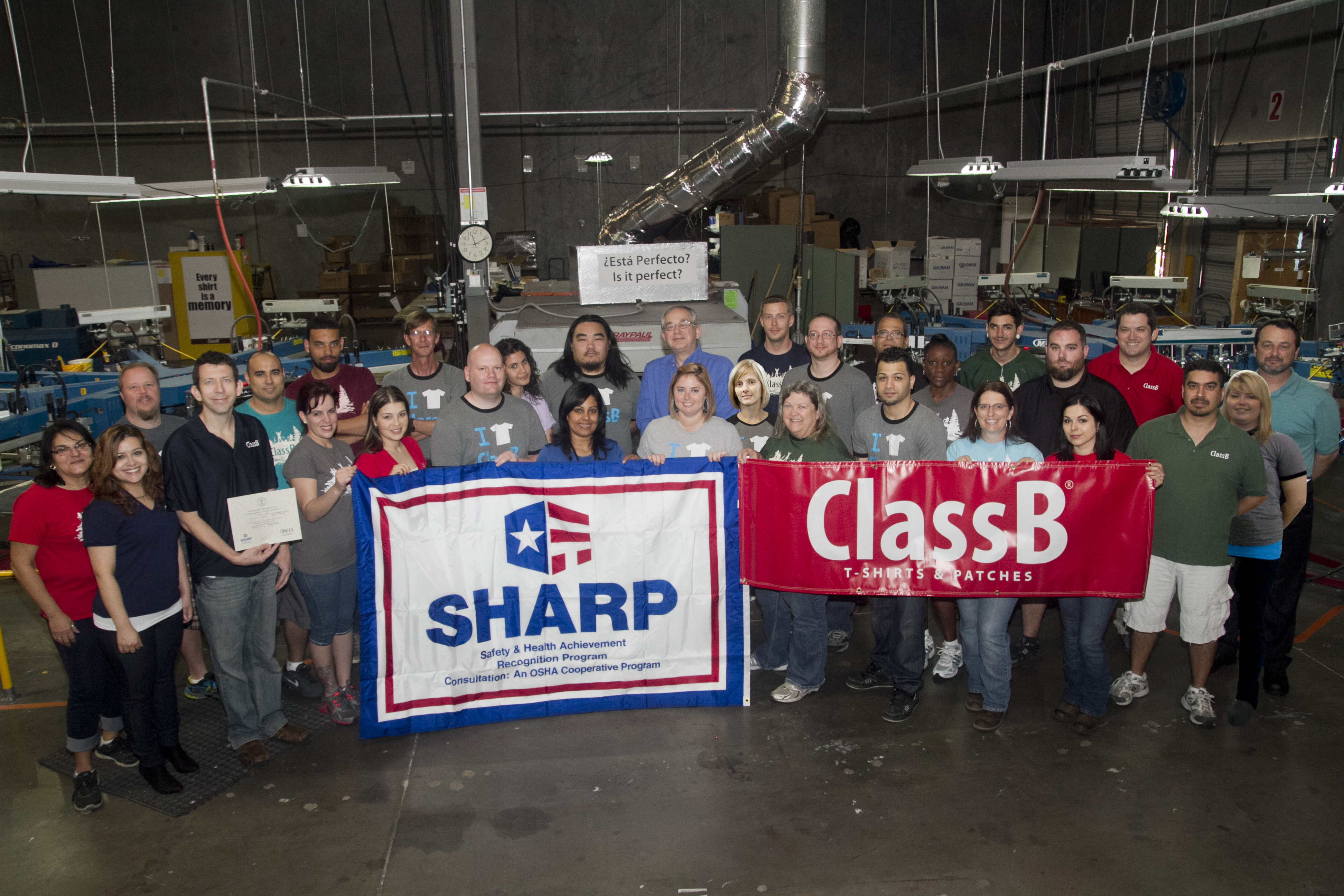
On Wednesday, March 5th, ClassB employees gathered in the production facility for a special recognition ceremony. An OSHA representative presented ClassB Safety Committee members with a SHARP (Safety and Health Achievement Recognition Program) certificate and flag. There are currently only two other SHARP businesses in Tampa, of the forty-three total in the state of Florida. We are honored to have been recognized for inclusion in this program.


Want to see YOUR group here? If you have pictures in your custom t-shirts, please send them to your ClassB customer rep! We would be proud to feature them on our next Customer Photo blog!
All photos shown are the property of the photographer and are reposted with permission.
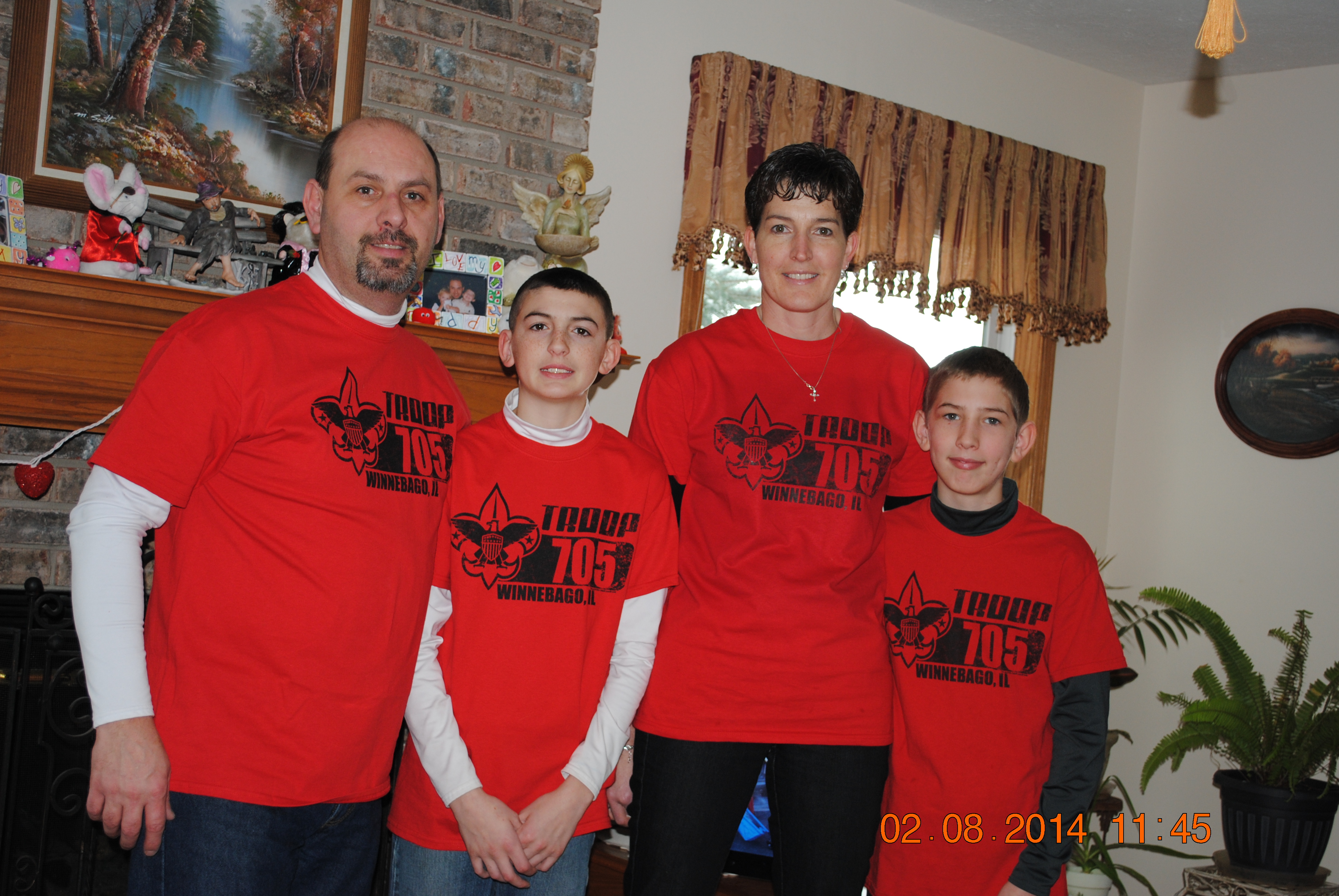
Has your pack ordered share worthy shirts for race day? If you have pictures in your custom t-shirts, please send them to your ClassB customer rep! We would be proud to feature them on our next Customer Photo blog!
All photos shown are the property of the photographer and are reposted with permission.
The artworkArtwork specifications for heat printing are similar to Digital printing as both methods allow for a higher resolution image. The artwork is prepared in as many colors as required and may contain photo-realistic images.The transfer materialWe use a 55 micron thick polyurethane transfer material which is lab certified with the highest rating for color fastness, rebound, and carries at 50 washability rating. It uses a patented adhesive for a superior bond. |
The inkWe use solvent based ink for a high quality print. There are four different ink colors – cyan, magenta, yellow and black. Those four colors combine to make the entire range of the color palette.The printing processPrinting is done with a digital printer/plotter that first prints the image on the transfer material and then cuts the border for the transfer. It is a very precise process. Then the transfer is applied to the garment using a heat press to apply the proper pressure, temperature and time to properly seal the transfer to the garment. Once cooled, the garment is inspected and packed for shipping. |


Laser/Inkjet transfer paperThis is the simplest form of the heat printing processes. Special paper is fed through a laser printer or ink jet printer then trimmed by hand and applied to the garment. It is inexpensive and very quick. Unfortunately, it does not work well on dark fabrics and does not wash well.Sublimation TransferIn sublimation transfers, a special ink is used that, when heated, turns to a gas and dyes the fabric. Dye sublimation provides sharp, colorful images with a soft feel, allowing fabric to stay light and breathable. However, sublimation is limited to use on white or light-colored materials. Because the garment must be made of or coated with polyester, it is not an ideal method for use on garments. |
Plastisol TransferThis is a process where standard screen printing techniques are used to apply the ink to a paper carrier. The ink is then partially cured and then applied using a heat press to finish the cure. It provides much of the benefits of screen printing without the equipment required to cure an entire garment. However, plastisol transfers are fragile and can be easily damaged by heat, light or abrasion. |